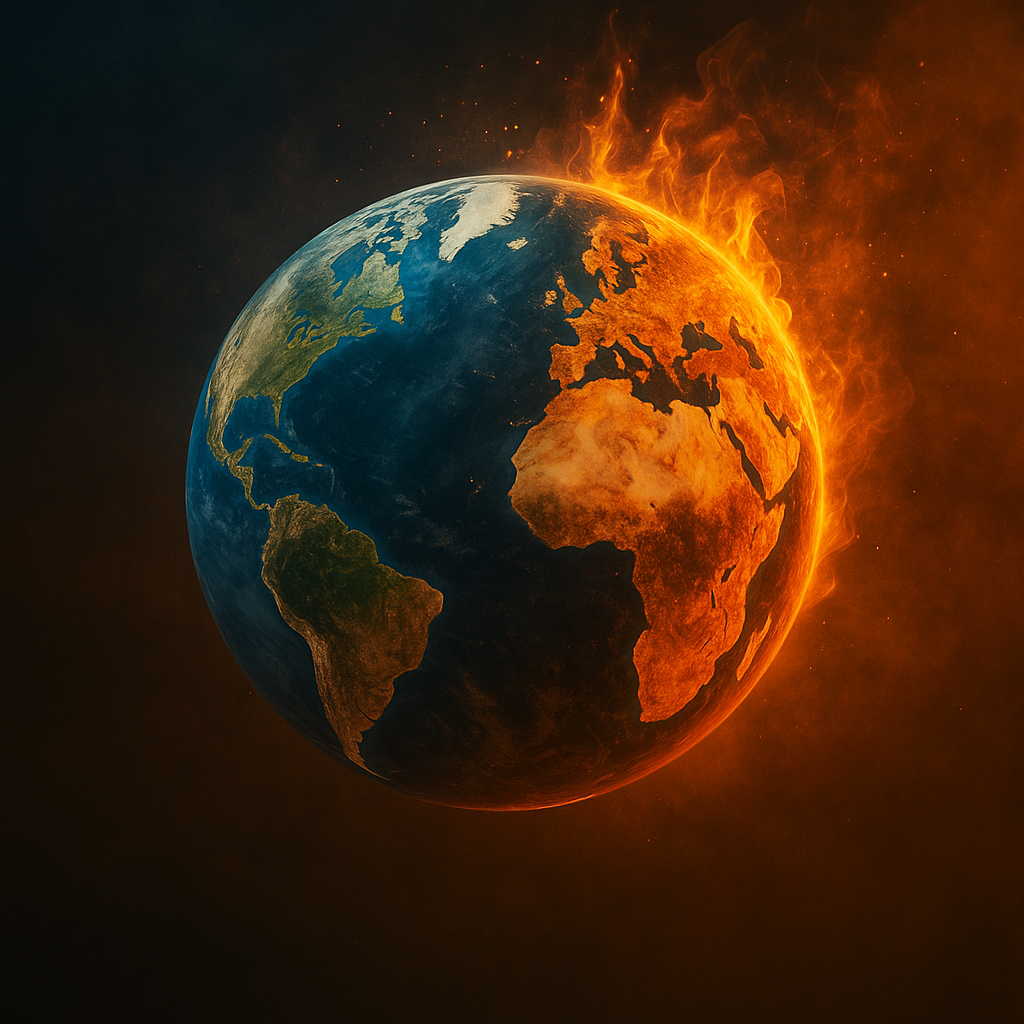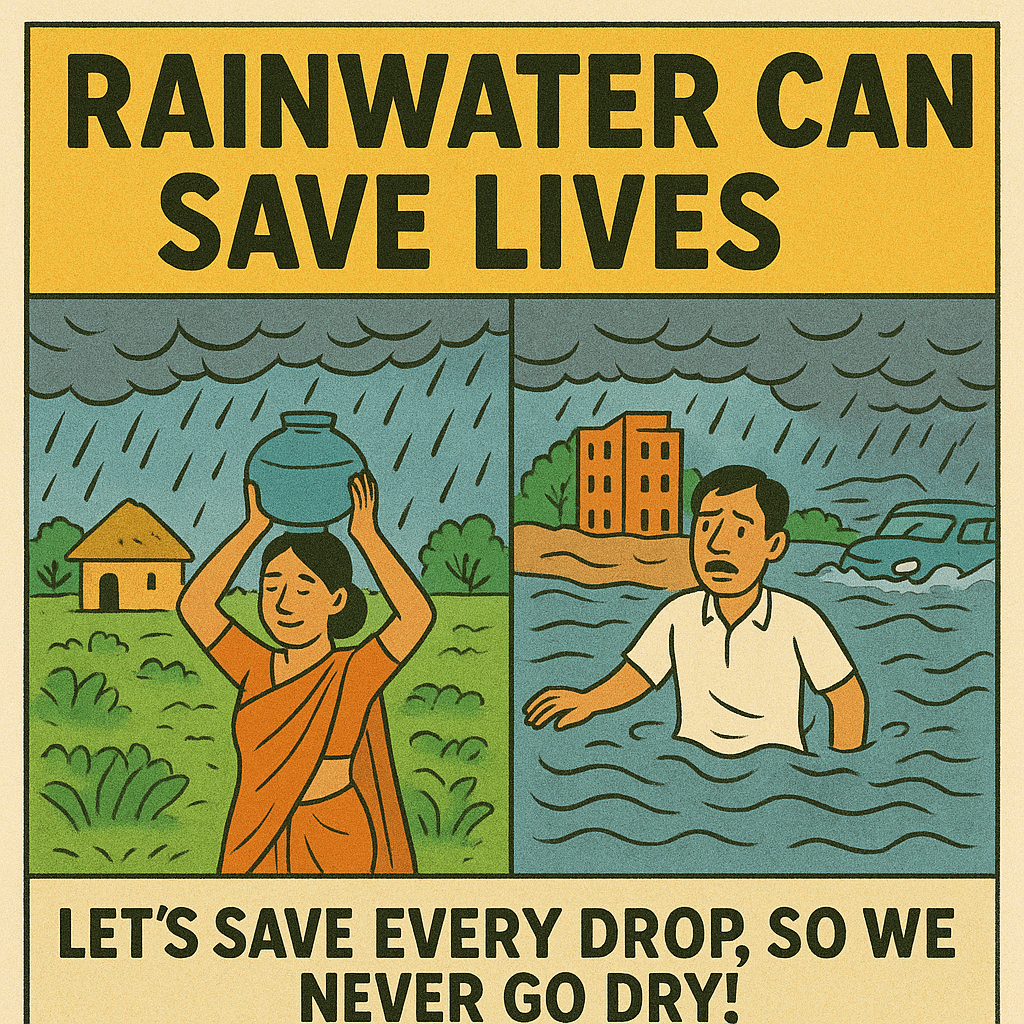

Every winter, the National Capital Region (NCR) transforms. The blue skies vanish behind a thick, grey blanket, and the air becomes heavy with a metallic taste. “Delhi Pollution” is no longer just a seasonal topic; it is a year-round health emergency that dominates headlines and dinner table conversations alike.
But what exactly is turning Delhi into a gas chamber, and more importantly, is there a way out?
The Anatomy of the Haze: What Causes Delhi’s Pollution?
The crisis in Delhi is a “perfect storm” of geographical bad luck and human-made disasters. Here is a breakdown of the primary culprits.
1. Vehicular Emissions (The Silent Killer)
While much attention is given to seasonal events, the constant hum of Delhi’s traffic is a major year-round pollutant. With over 10 million registered vehicles, the city spews a massive amount of Nitrogen Dioxide (NO2) and Particulate Matter (PM2.5) into the air daily.
- The Reality: Old diesel trucks and an explosion in private car ownership contribute significantly to the toxic cocktail we breathe.
2. Stubble Burning (The Seasonal Spike)
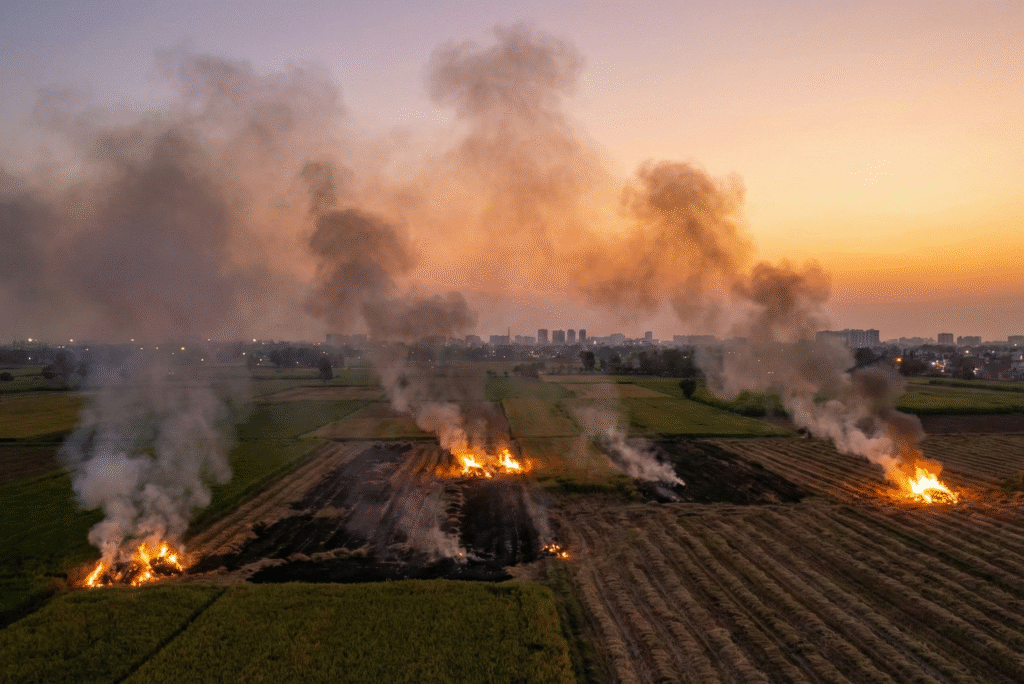
Every October and November, farmers in neighboring states like Punjab and Haryana burn crop residue (parali) to clear fields for the next sowing season.
- The Impact: The smoke from these fires rides the north-westerly winds straight into Delhi, causing AQI levels to spike overnight.
3. Construction Dust and Road Dust
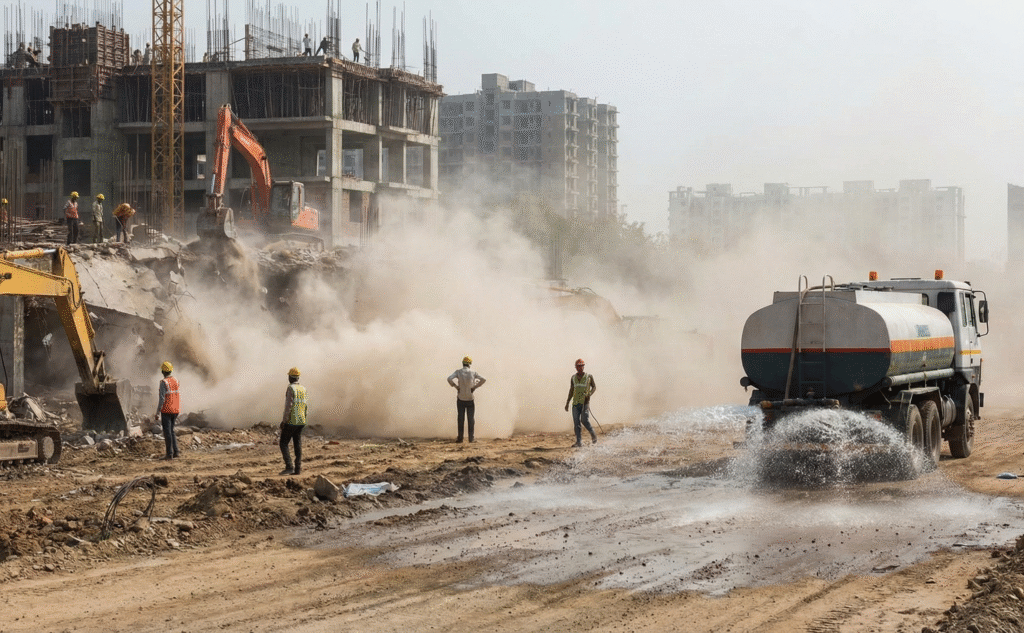
Delhi is a city perpetually under construction. The fine dust from Metro expansion, flyovers, and residential projects hangs in the atmosphere.
- The Stat: Road dust contributes heavily to PM10 levels, the coarser particles that irritate eyes and throats.
4. Weather and Geography (The “Bowl” Effect)
Delhi is landlocked. During winter, the wind speed drops, and the temperature cools. This creates a phenomenon called Winter Inversion, where cold air traps pollutants close to the ground, preventing them from dispersing.
5. Industrial and Waste Pollution
Despite regulations, illegal industries and the open burning of municipal waste in landfills remain persistent issues, adding toxic fumes to the mix.
The Health Cost: Why We Should Panic
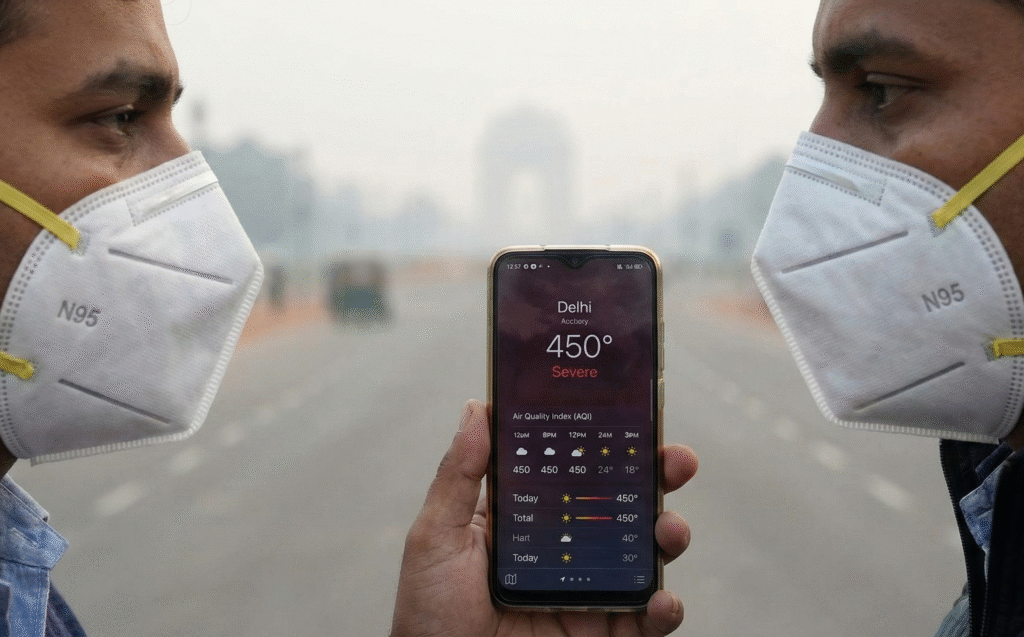
The Air Quality Index (AQI) frequently breaches the “Severe” category (400+) during peak season.
- Immediate Effects: Burning eyes, coughing, headaches, and breathlessness.
- Long-term Risks: Chronic respiratory diseases, cardiovascular problems, and reduced lung function in children.
The Road to Recovery: Actionable Solutions
Fixing Delhi’s air isn’t a one-man job. It requires a two-pronged approach: systemic government policy and individual responsibility.
What the Government & Policy Makers Must Do
- Strict Enforcement of GRAP: The Graded Response Action Plan (GRAP) must be implemented proactively, not just reactively. This includes banning diesel generators and halting construction before the air turns toxic.
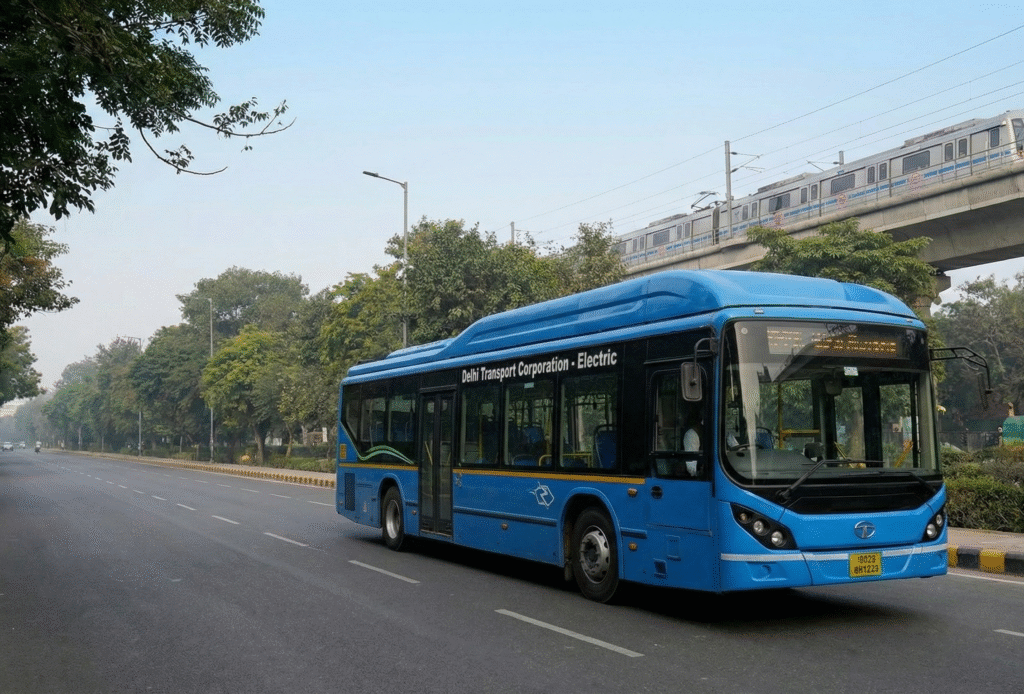
- Boosting Public Transport: The Metro is great, but last-mile connectivity is weak. We need a massive fleet of electric buses to make public transport a convenient alternative to private cars.
- Incentivizing Farmers: Instead of criminalizing farmers, the government must provide affordable machinery (like Happy Seeders) and financial incentives to manage crop residue without burning.
- Dust Management: Mechanical sweeping of roads and mandatory dust-control barriers at all construction sites should be non-negotiable.
What YOU Can Do (Individual Actions)
We often feel helpless, but collective small actions create massive change.
- Ditch the Car Keys: Carpool, use the Metro, or switch to an Electric Vehicle (EV). If you must drive, turn off your engine at red lights (Red Light On, Gaadi Off).
- Stop Waste Burning: Never burn garbage or leaves. Report open fires to local authorities or via apps like “Green Delhi.”
- Indoor Greenery: While air purifiers are helpful, natural plants like Snake Plants, Areca Palms, and Spider Plants help filter indoor air naturally.
- Winter Awareness: Avoid vigorous outdoor exercise when the AQI is “Very Poor” or “Severe.”
Conclusion
Delhi’s pollution is not an unsolvable riddle; it is a policy and behavioral failure. While geographical factors put the city at a disadvantage, they don’t doom it. By holding authorities accountable and making conscious lifestyle shifts, we can reclaim our right to breathe.
Let’s not wait for the smog to clear itself. The battle for blue skies starts today.